
13 Best Foods to Build Muscle After 35
Written by John Solomou | Founder, Phoenix Wellness Team
Researched & Fact-CheckedPeer-Reviewed Clinical Literature (PubMed / NIH / ISSN)

13 Best Foods to Build Muscle After 35
The best foods to build muscle deliver enough protein to support muscle repair and growth. The 13 foods below range from lean beef and eggs to tofu and lentils. Some have been studied directly in muscle-related trials. Others earn their place because of their protein content, nutritional value, and convenience.
You do not need to eat all 13. Choose foods you enjoy, build meals around them, and aim for a protein intake you can maintain consistently. The plan you repeat is the plan that works.
How Much Protein Do You Need to Build Muscle After 35?
The 2025–2030 Dietary Guidelines for Americans recommend a daily protein intake of 1.2 to 1.6 grams per kilogram of body weight (American Family Physician summary).
A meta-analysis of 49 trials found that protein intake above approximately 1.62 grams per kilogram per day did not produce additional gains in fat-free mass among people participating in resistance training while taking protein supplements (PubMed).
Here is what the recommended range looks like at different body weights.
| Body weight | Daily protein at 1.2 g/kg | Daily protein at 1.6 g/kg | Per-meal target at 0.4 g/kg |
|---|---|---|---|
| --------------: | ----------------------------: | ----------------------------: | ------------------------------: |
| 140 lb | 76 g | 102 g | 25 g |
| 160 lb | 87 g | 116 g | 29 g |
| 180 lb | 98 g | 131 g | 33 g |
| 200 lb | 109 g | 145 g | 36 g |
To calculate your own range, divide your weight in pounds by 2.2 to convert it to kilograms. Multiply that number by 1.2 for the lower daily target and 1.6 for the upper target.
The per-meal estimate follows a review recommending approximately 0.4 grams of protein per kilogram per meal across at least four meals (PubMed).
These figures are starting points, not individual prescriptions. Your training, overall diet, health, and goals all matter. If you have kidney disease or follow a medically prescribed diet, speak with your healthcare professional before increasing your protein intake.
Protein and calorie estimates come from USDA Standard Reference data in FoodData Central. Phoenix calculated the 3-ounce servings from the corresponding per-100-gram values.
The 13 Best Foods to Build Muscle
1. Ground Beef (80/20)
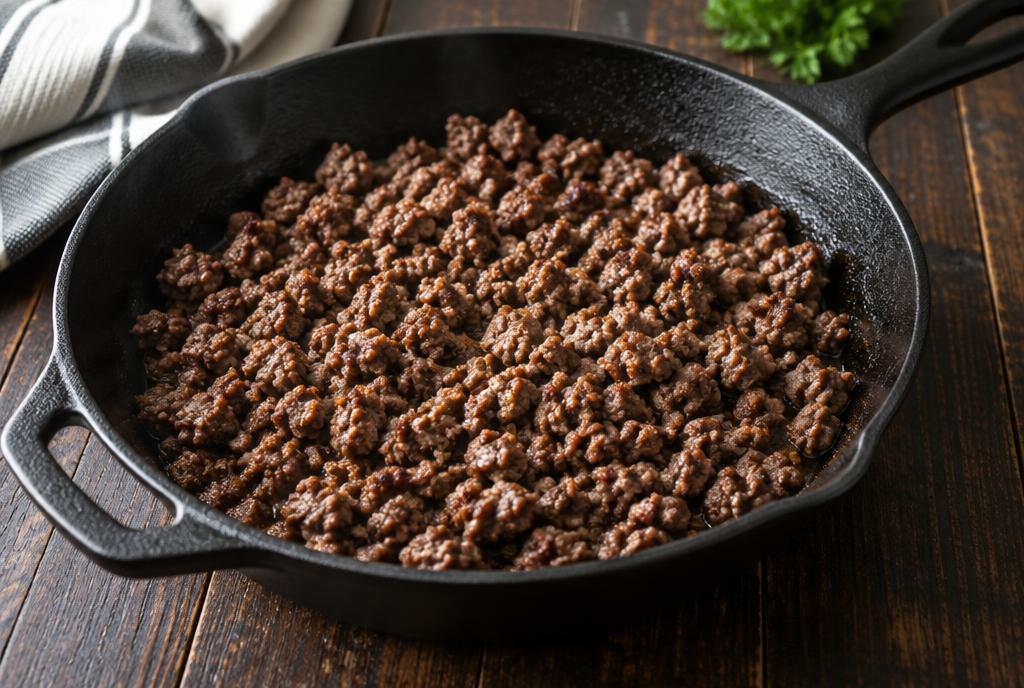
A 3-ounce (85 g) serving of cooked, pan-browned 80/20 ground beef provides approximately 231 calories and 23 grams of protein (along with 15 grams of total fat).
Researchers studied 17 young adults with an average age of 34 and 17 older adults with an average age of 68. Participants ate either a 113-gram serving of beef containing 30 grams of protein or a much larger serving containing 90 grams of protein.
The 30-gram serving increased muscle protein synthesis by approximately 50%. The 90-gram serving did not produce a further increase (PubMed).
This finding supports spreading protein across meals instead of saving most of your daily intake for dinner. Keep in mind that researchers measured a short-term muscle protein synthesis response, not long-term muscle growth.
Choose 90% lean beef or leaner when you want to manage calories. Higher-fat ground beef provides more calories per serving.
2. Eggs
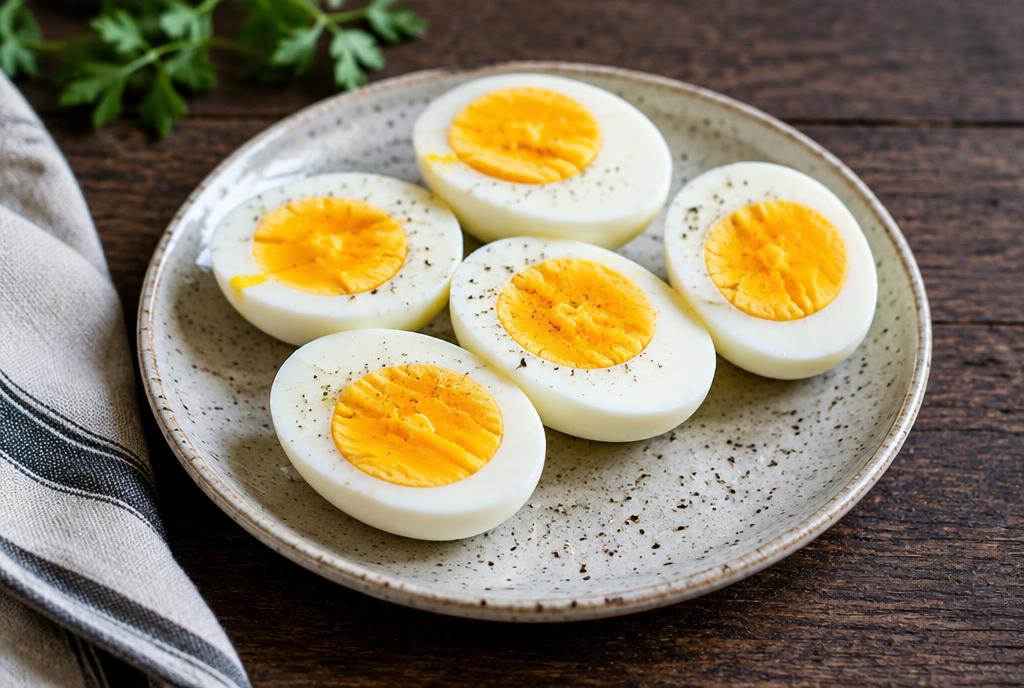
One cup of chopped hard-boiled egg (136 g, roughly two to three large eggs) provides approximately 17 grams of protein and 211 calories.
In a crossover trial, ten resistance-trained men with an average age of 21 ate either whole eggs or egg whites after a leg workout. Both meals provided 18 grams of protein, but the whole-egg meal also contained 17 grams of fat.
Whole eggs produced a greater increase in muscle protein synthesis than egg whites. The difference reached statistical significance (p = 0.04) (PubMed).
The study measured a short-term response in young men. It does not establish that eating whole eggs will produce greater muscle gains over a year.
Whole eggs offer protein along with fats and other nutrients found in the yolk. If you enjoy them, there is no need to automatically throw the yolks away.
3. Milk
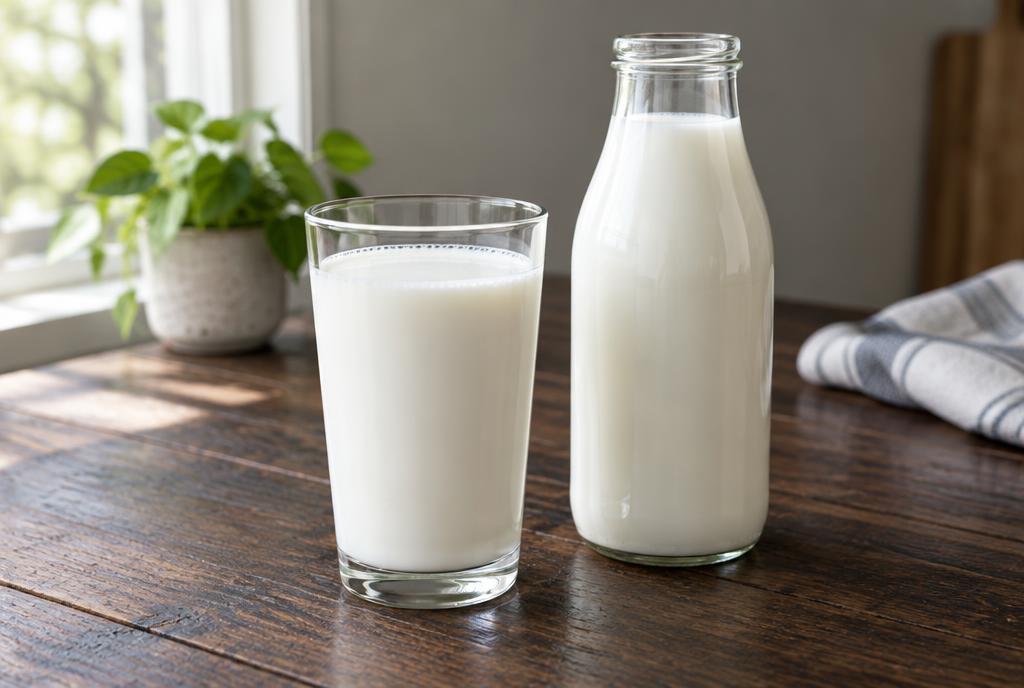
One cup (245 g) of 1% milk provides approximately 9 grams of protein and 105 calories.
A crossover trial compared milk and soy drinks that each supplied 18 grams of protein. After resistance exercise, the milk drink produced a higher muscle protein synthesis rate than the soy drink: 0.10 versus 0.07 percent per hour (p = 0.05).
Milk also produced a larger net protein balance, although both drinks left participants in positive protein balance (PubMed).
Milk is an easy way to add protein to a meal or post-workout snack. One cup alone will not reach a typical 25–35-gram meal target, but combining it with eggs, yogurt, or another protein source can help.
4. Greek Yogurt
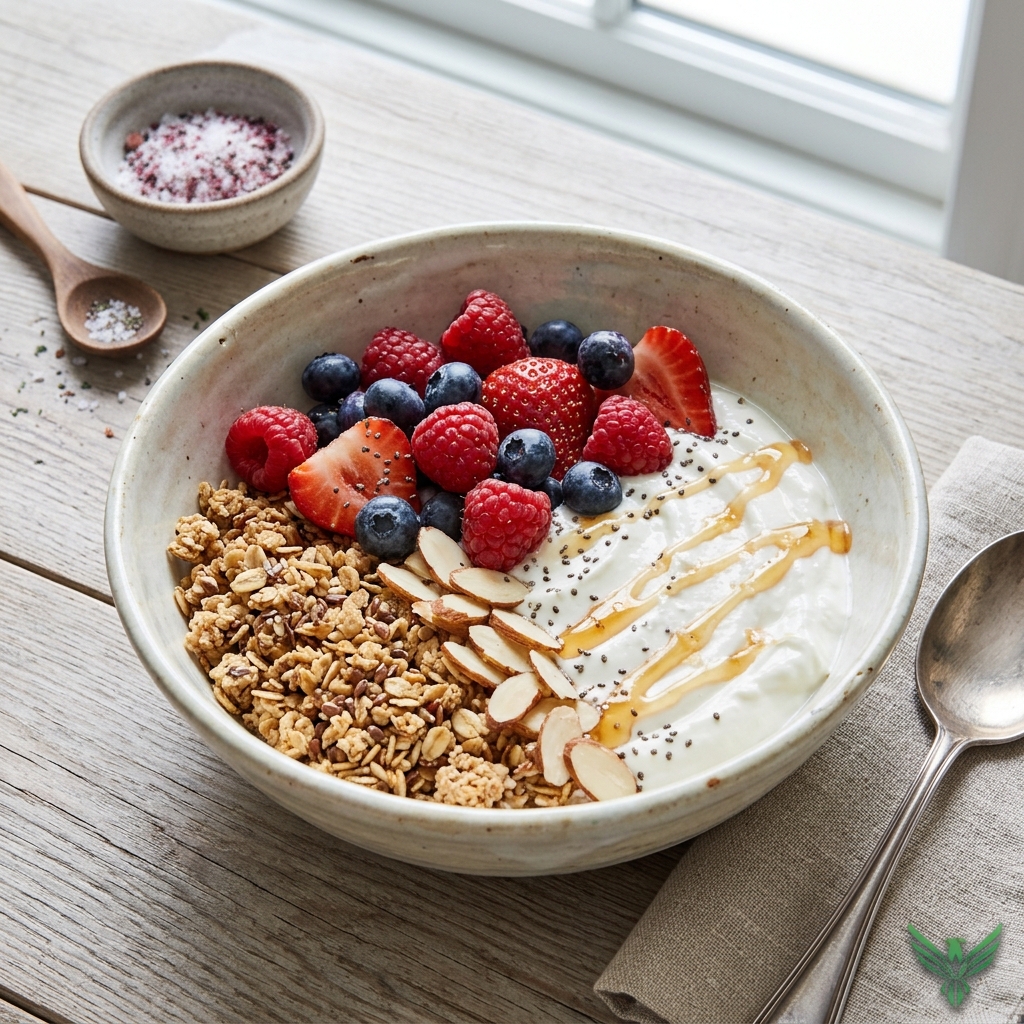
A 170-gram container of plain nonfat Greek yogurt provides approximately 17 grams of protein and 100 calories.
One randomized trial followed 30 untrained men with an average age of 68. Participants lifted weights three times a week for eight weeks. One group ate Icelandic yogurt containing 18 grams of protein after each workout. The other group received a placebo without protein.
The yogurt group gained more lean mass (1.3 kg versus 0.6 kg), along with greater improvements in bench press and leg press strength (PubMed).
Icelandic yogurt is strained in a similar way to Greek yogurt, but the researchers did not test Greek yogurt itself.
A second trial found no additional lean-mass benefit from a dairy supplement among 29 overweight women with an average age of 37 who lifted weights while reducing calories over 16 weeks (PubMed).
The findings are not identical across populations. Greek yogurt remains a convenient high-protein food, but the research does not show that it guarantees additional muscle growth.
Choose plain Greek yogurt when you want to limit added sugar. Add berries, fruit, or another food you enjoy.
5. Cottage Cheese
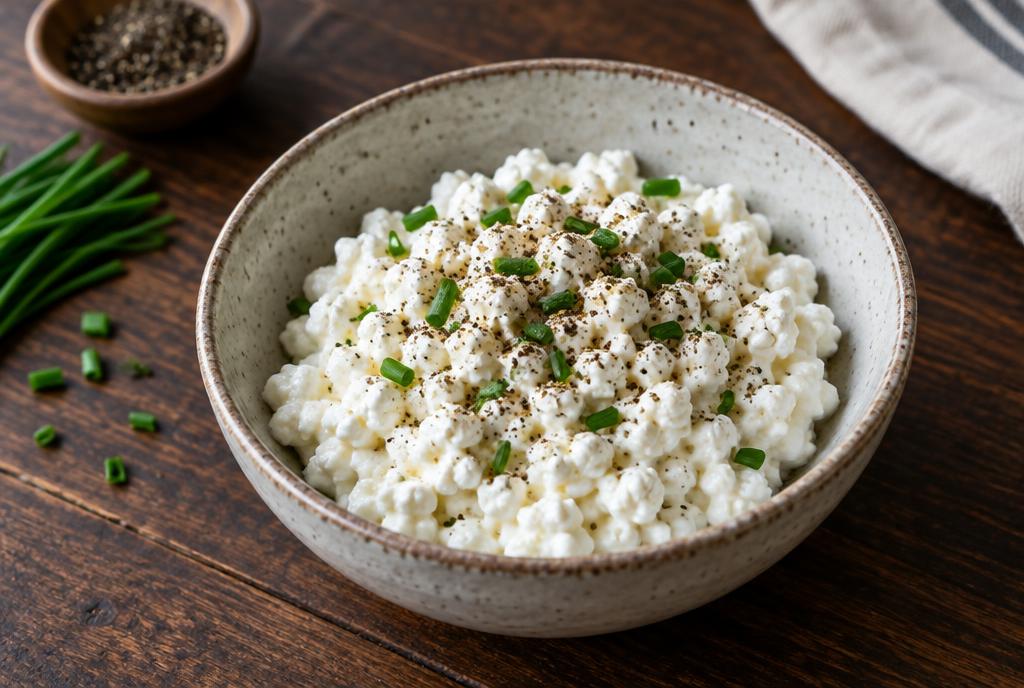
One cup of 2% cottage cheese (226 g) provides approximately 24 grams of protein and 183 calories.
Cottage cheese contains casein, a dairy protein that digests more slowly than whey. Researchers have studied casein supplements taken before sleep, but those trials did not test cottage cheese itself.
In one study involving 16 young men, 40 grams of casein taken 30 minutes before sleep increased overnight muscle protein synthesis by approximately 22% compared with a placebo. The result was borderline statistically significant (PubMed).
Another 12-week trial involving 44 young men found that a 27.5-gram protein supplement before sleep led to greater increases in thigh muscle size and strength than a placebo (PubMed).
A cup of cottage cheese in the evening provides a similar amount of protein from a whole food. However, neither study established that the same results apply to adults over 35.
6. Tofu
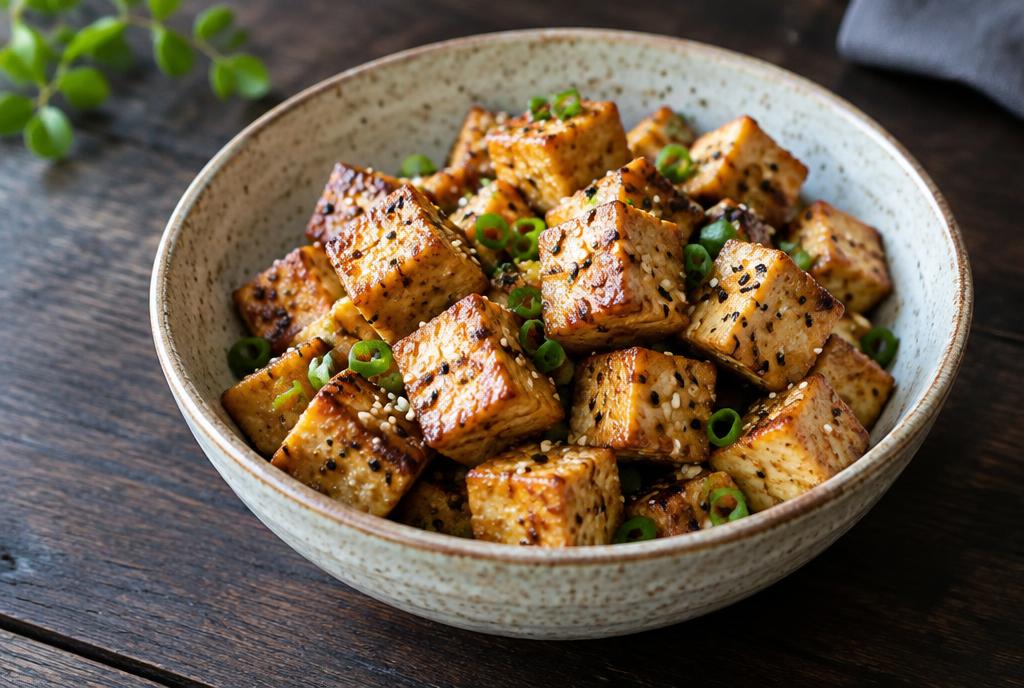
A half cup (126 g) of firm tofu made with calcium sulfate provides approximately 22 grams of protein and 181 calories.
A meta-analysis of nine studies involving 266 people compared soy protein supplements with animal protein supplements during resistance training. Both groups improved strength and lean mass, with no significant difference between the protein sources (PubMed).
A larger review of 16 trials found similar results for strength and absolute lean mass. However, animal protein had an advantage for percentage lean mass, with adults under 50 gaining 0.41 kg more lean mass on animal protein (PubMed).
Tofu is a useful protein source if you eat a plant-based diet. A half cup provides approximately 22 grams, so combining it with another protein source can help you reach your meal target.
Aiming toward the upper end of your daily protein range is a practical option when relying heavily on plant proteins. That is a Phoenix recommendation, not a result directly established by the cited trials.
7. Salmon
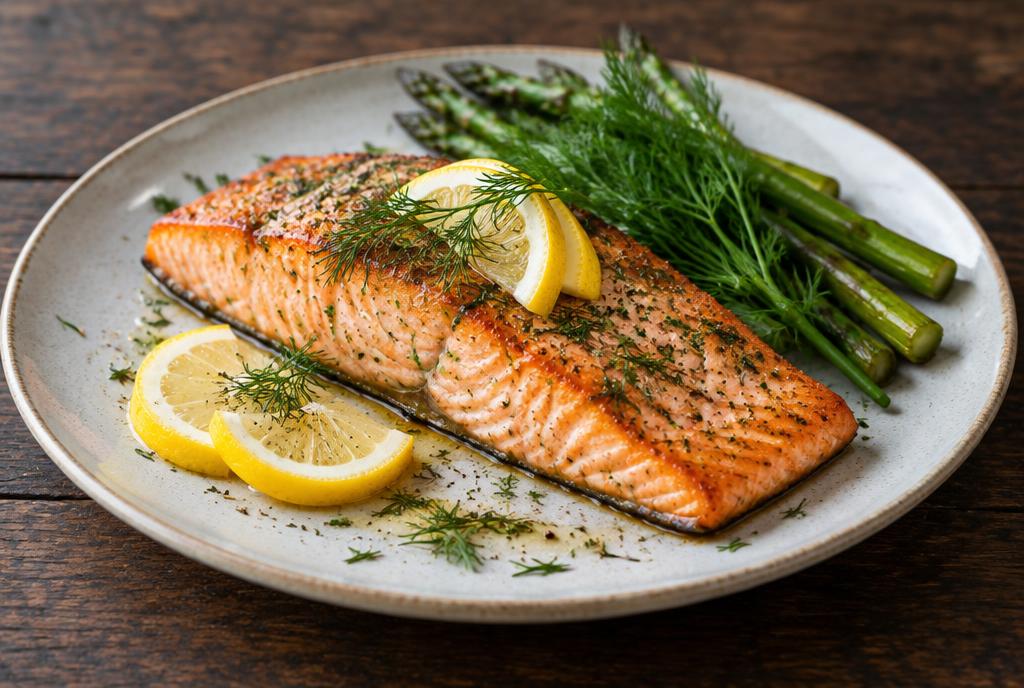
A 3-ounce serving of cooked farmed Atlantic salmon provides approximately 19 grams of protein and 175 calories, along with omega-3 fats.
The relevant studies tested fish oil supplements rather than salmon as a whole food.
In a six-month trial involving adults aged 60–85, fish oil increased thigh muscle volume by 3.6%, handgrip strength by 2.3 kg, and one-repetition maximum strength by 4% compared with corn oil. Forty-four of the 60 participants completed the study (PubMed).
An earlier eight-week trial involving 16 older adults found that omega-3 supplementation increased the muscle protein synthesis response to amino acids and insulin (PubMed).
Both studies involved older adults and supplements. They do not prove that eating salmon produces the same results in adults aged 35–55.
Salmon earns its place because it provides protein and omega-3 fats in one meal.
8. Chicken Breast
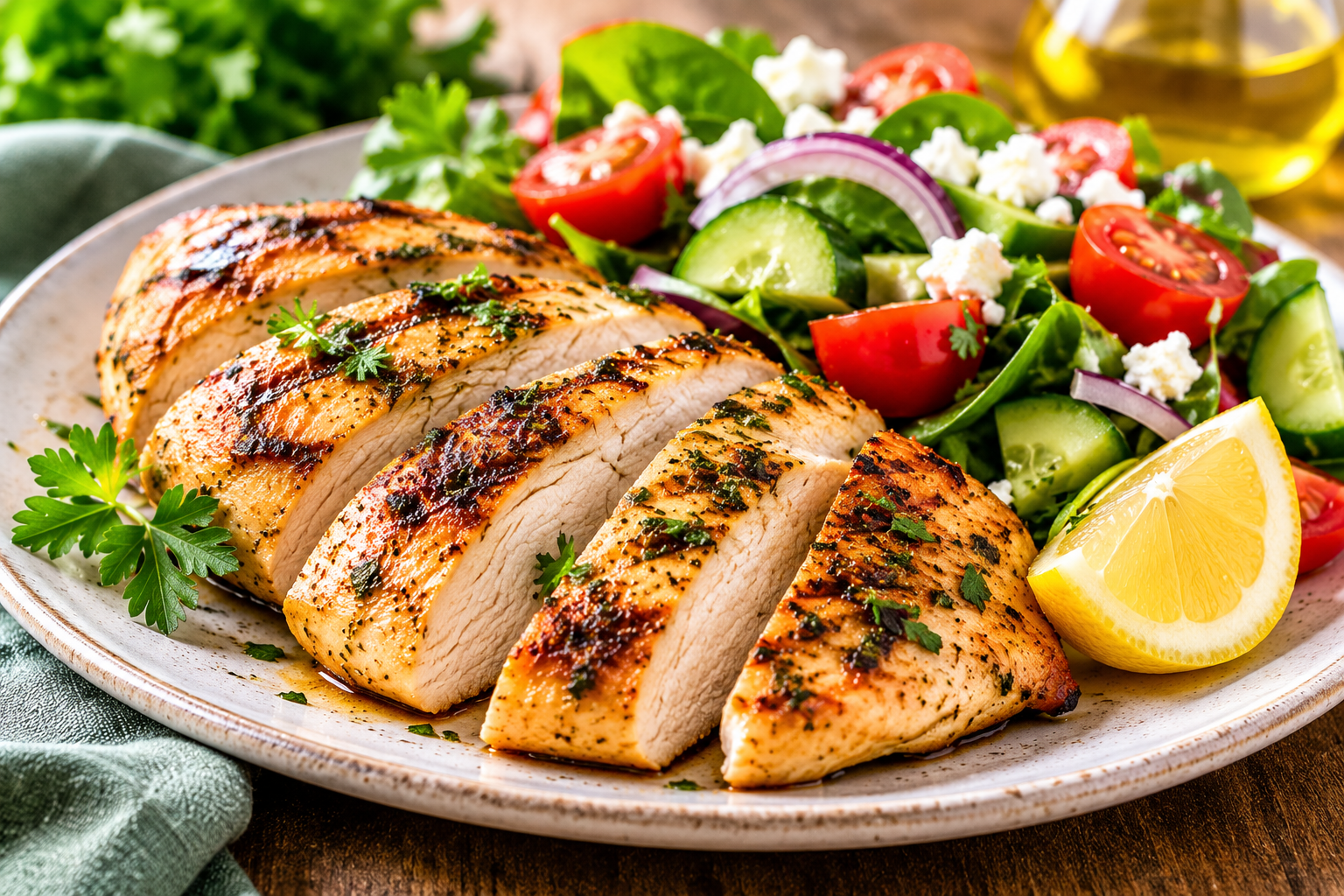
A 3-ounce serving of roasted, skinless chicken breast provides approximately 26 grams of protein and 140 calories.
Chicken breast has the highest protein density on this list, at approximately 31 grams per 100 grams.
This article does not cite a trial testing chicken breast alone for muscle growth. Its place comes from its protein content and the convenience of reaching a useful amount of protein without adding many calories.
A 4-ounce portion (113 g) provides approximately 35 grams of protein.
Chicken breast works well in meal prep. Cook several portions at once and pair them with potatoes, rice, vegetables, or another carbohydrate source to build a more complete meal.
9. Tuna
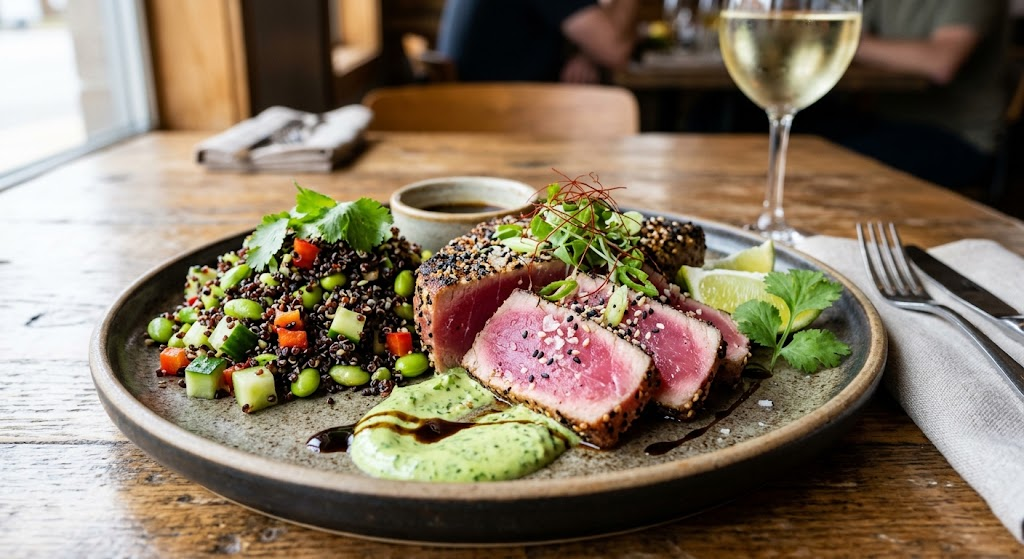
A 3-ounce serving of light tuna canned in water and drained provides approximately 22 grams of protein and 110 calories.
This food earns its place for convenience. Canned tuna keeps for months unopened, requires almost no preparation, and can help you put together a quick lunch.
Combine it with eggs, beans, or another protein source when you need a larger meal.
Choose light tuna and follow current guidance on seafood variety and mercury exposure, particularly if you eat tuna frequently.
10. Pork Tenderloin
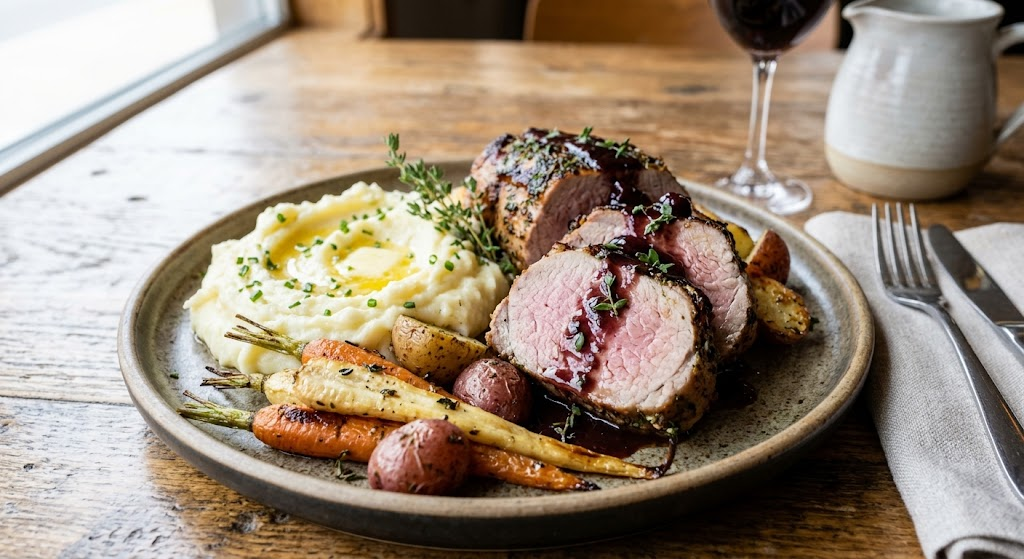
A 3-ounce serving of roasted lean pork tenderloin provides approximately 22 grams of protein and 122 calories.
Pork tenderloin is a lean option that gives you another choice when you want a break from chicken or beef.
Its protein-to-calorie ratio makes it practical for people who want to increase protein without adding a large amount of dietary energy.
Pair it with potatoes, vegetables, or another carbohydrate source to create a balanced meal.
11. Lentils
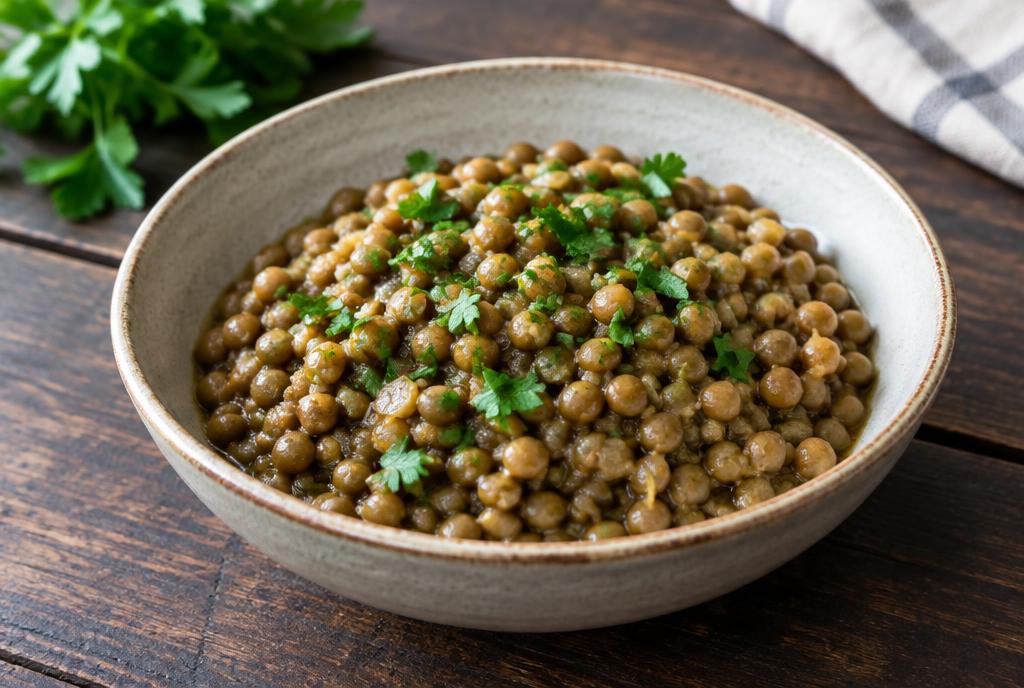
One cup of cooked lentils (198 g) provides approximately 18 grams of protein and 230 calories.
Lentils offer protein, fiber, and carbohydrates. They also provide a relatively inexpensive way to add more plant foods to your diet.
They are less protein-dense than chicken breast. Matching the approximately 26 grams of protein in 3 ounces of chicken takes roughly 1.5 cups of cooked lentils. That portion provides approximately 345 calories.
That does not make lentils a poor choice. It means you should account for the larger serving when planning your meals.
Use lentils in soups, salads, or bowls, and combine them with other protein sources when you need to reach a higher target.
12. Black Beans
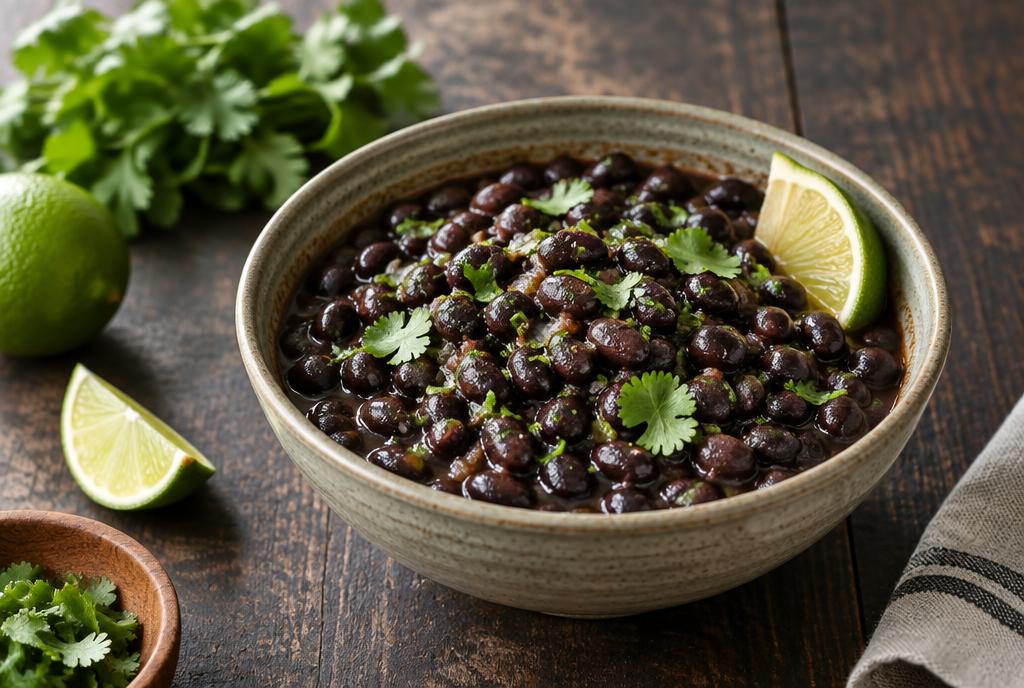
One cup of cooked black beans (172 g) provides approximately 15 grams of protein and 227 calories.
Black beans provide plant protein, fiber, and carbohydrates. They work well as part of a meal, but one cup may not provide enough protein to meet your entire meal target.
Pair them with eggs, Greek yogurt, chicken, beef, or another protein source to bring the total closer to 25–35 grams.
13. Rolled Oats
Evidence: No trial cited for oats specifically
A half cup of dry rolled oats (approximately 40 g) provides around 5 grams of protein, 153 calories, and 27 grams of carbohydrates.
Oats are not a high-protein food. Their value comes mainly from their carbohydrates, which can help provide energy for training.
A sports nutrition review discusses the importance of carbohydrate availability for high-intensity exercise (PubMed).
Build a higher-protein breakfast by cooking oats in milk and adding Greek yogurt or another protein source. Think of oats as a carbohydrate base rather than the main protein in your meal.
Protein Per Serving: All 13 Foods
Use this table to compare the protein and calorie content of common portions. Actual values can vary with preparation, brand, and serving size.
| Food | Serving | Protein | Calories |
|---|---|---|---|
| :--------------------------- | :-------------- | ----------: | -----------: |
| Chicken breast, roasted | 3 oz (85 g) | 26 g | 140 |
| Lean ground beef, 90% | 3 oz (85 g) | 24 g | 196 |
| Cottage cheese, 2% | 1 cup (226 g) | 24 g | 183 |
| Pork tenderloin, roasted | 3 oz (85 g) | 22 g | 122 |
| Tuna, light, canned in water | 3 oz (85 g) | 22 g | 110 |
| Tofu, firm | 1/2 cup (126 g) | 22 g | 181 |
| Salmon, farmed, cooked | 3 oz (85 g) | 19 g | 175 |
| Lentils, cooked | 1 cup (198 g) | 18 g | 230 |
| Eggs, hard-boiled, chopped | 1 cup (136 g) | 17 g | 211 |
| Greek yogurt, plain nonfat | 170 g container | 17 g | 100 |
| Black beans, cooked | 1 cup (172 g) | 15 g | 227 |
| Milk, 1% | 1 cup (245 g) | 9 g | 105 |
| Rolled oats, dry | 1/2 cup (40 g) | 5 g | 153 |
What a Day of Eating Looks Like at 180 Pounds
An adult weighing 180 pounds has a starting protein range of approximately 98–131 grams per day using the 1.2–1.6 g/kg guideline.
Here is one example of how to reach approximately 129 grams using foods from the list.
| Meal | Foods | Protein |
|---|---|---|
| :-------- | :------------------------------------------- | ----------: |
| Breakfast | 170 g Greek yogurt, 1/2 cup oats, 1 cup milk | 31 g |
| Lunch | 3 oz chicken breast, 1 cup black beans | 42 g |
| Dinner | 4 oz (113 g) 90% lean ground beef | 32 g |
| Evening | 1 cup cottage cheese | 24 g |
Daily protein: approximately 129 grams.
The sample menu provides approximately 1,170 calories before additional foods and cooking fats. It is not a complete daily calorie recommendation. Most adults will need to add other foods to meet their energy needs.
Include vegetables, fruit, potatoes, rice, or other carbohydrate sources, along with appropriate dietary fats. Your total calorie intake should match your goal, activity, and training demands.
Use the Phoenix TDEE Calculator to estimate your daily energy needs.
How to Put These Foods Together
You do not need complicated meals or a different protein source every day. Start with a simple structure:
- Calculate your daily protein range. Use your body weight and the table above to establish a starting target.
- Divide protein across your meals. Three or four meals can make it easier to reach your daily total without trying to eat everything at dinner.
- Choose a main protein source. Build each meal around beef, chicken, eggs, fish, dairy, tofu, or another food you enjoy.
- Combine foods when necessary. If one serving falls short, add another source. Greek yogurt with oats or eggs with black beans are simple examples.
- Learn your usual portions. Weigh a few servings for a week so you understand how much protein your regular meals provide. A food scale can make this easier. See the Phoenix recommended nutrition tools.
- Keep convenient options available. Cottage cheese, canned tuna, eggs, and Greek yogurt can help when you do not have time to cook. You can also explore Phoenix high-protein recipes.
Food supports muscle growth, but it cannot replace resistance training. Your muscles need a reason to adapt. Follow a consistent strength program, gradually increase the challenge when appropriate, and allow enough time for recovery.
Explore the Phoenix muscle-building exercise guides for training ideas.
Questions People Ask
How much protein per meal builds muscle?
A practical target is approximately 25–40 grams per meal, depending on your body weight and daily protein goal.
In a study involving six young men, 20 grams of egg protein after leg exercise produced a peak muscle protein synthesis response (PubMed). Another study found that 30 grams of beef protein produced a similar response to 90 grams in young and older adults (PubMed).
The amount you need depends on your overall daily intake, body size, and training. The table earlier in this article gives you a starting point.
Are plant proteins as good as animal proteins for muscle?
Plant proteins can support muscle and strength gains when your total protein intake is sufficient.
A meta-analysis of 16 trials found no meaningful difference between plant and animal protein for absolute lean mass or strength. However, animal protein had an advantage for percentage lean mass, with the difference appearing in adults under 50 (PubMed).
If you eat mostly plant-based foods, include a variety of protein sources and consider aiming toward the upper end of your daily target.
Is it better to eat protein before bed?
Protein before sleep can support overnight muscle protein synthesis.
One 12-week trial involving 44 young men found greater increases in muscle size and strength when participants took a protein supplement before sleep (PubMed).
The study did not test adults over 35 or whole foods. Cottage cheese is one convenient evening option, but your total daily protein intake remains important.
Should I eat whole eggs or egg whites?
Whole eggs provide protein along with the nutrients and fats found in the yolk.
One trial found that whole eggs produced a greater short-term muscle protein synthesis response than egg whites when both meals contained 18 grams of protein (PubMed).
The study involved only ten young men and measured a short-term response. Whole eggs also contain more calories, so consider your overall energy needs when choosing portions.
Do I need protein powder to build muscle?
No. You can meet your protein needs through whole foods.
A meta-analysis of 49 trials found that protein supplementation added modest gains in fat-free mass and strength during resistance training. The additional benefit became smaller as age increased (PubMed).
Protein powder can make it easier to reach your target when meals fall short, but it is not a requirement.
If you are comparing options, explore the Phoenix guides to whey protein isolate and plant protein blends.
Does eating more protein build more muscle?
Not necessarily. More protein does not automatically mean more muscle.
The 49-trial analysis found no additional fat-free mass benefit above approximately 1.62 grams of protein per kilogram per day among people participating in resistance training while using protein supplements (PubMed).
Once you meet your needs, focus on consistent training, sufficient calories, sleep, and recovery rather than continually increasing protein.
If you have kidney disease or follow a medically prescribed diet, ask your healthcare professional before changing your protein intake.
Scientific References
- Consumption of whole eggs promotes greater stimulation of postexercise muscle protein synthesis than consumption of isonitrogenous amounts of egg whites in young men. American Journal of Clinical Nutrition, 2017. PubMed
- Consumption of fluid skim milk promotes greater muscle protein accretion after resistance exercise than does consumption of an isonitrogenous and isoenergetic soy-protein beverage. American Journal of Clinical Nutrition, 2007. PubMed
- A moderate serving of high-quality protein maximally stimulates skeletal muscle protein synthesis in young and elderly subjects. Journal of the American Dietetic Association, 2009. PubMed
- Protein ingestion before sleep improves postexercise overnight recovery. Medicine and Science in Sports and Exercise, 2012. PubMed
- Protein ingestion before sleep increases muscle mass and strength gains during prolonged resistance-type exercise training in healthy young men. Journal of Nutrition, 2015. PubMed
- Fish oil-derived n-3 PUFA therapy increases muscle mass and function in healthy older adults. American Journal of Clinical Nutrition, 2015. PubMed
- Dietary omega-3 fatty acid supplementation increases the rate of muscle protein synthesis in older adults: a randomized controlled trial. American Journal of Clinical Nutrition, 2011. PubMed
- No difference between the effects of supplementing with soy protein versus animal protein on gains in muscle mass and strength in response to resistance exercise. International Journal of Sport Nutrition and Exercise Metabolism, 2018. PubMed
- Animal protein versus plant protein in supporting lean mass and muscle strength: a systematic review and meta-analysis of randomized controlled trials. Nutrients, 2021. PubMed
- Effects of Icelandic yogurt consumption and resistance training in healthy untrained older males. British Journal of Nutrition, 2021. PubMed
- Effects of a dairy supplement and resistance training on lean mass and insulin-like growth factor in women. International Journal of Sport Nutrition and Exercise Metabolism, 2011. PubMed
- How much protein can the body use in a single meal for muscle-building? Implications for daily protein distribution. Journal of the International Society of Sports Nutrition, 2018. PubMed
- Ingested protein dose response of muscle and albumin protein synthesis after resistance exercise in young men. American Journal of Clinical Nutrition, 2009. PubMed
- A systematic review, meta-analysis and meta-regression of the effect of protein supplementation on resistance training-induced gains in muscle mass and strength in healthy adults. British Journal of Sports Medicine, 2018. PubMed
- Carbohydrates for training and competition. Journal of Sports Sciences, 2011. PubMed
- Dietary Guidelines for 2025 to 2030: Recommendations From the USDA and HHS. American Family Physician, July 2026. American Family Physician
- USDA FoodData Central, Standard Reference Legacy foods. U.S. Department of Agriculture. FoodData Central
Editorial & Scientific Integrity Disclaimer: This article is for informational and educational purposes only and does not constitute medical advice. Always consult a qualified healthcare professional before starting any supplement regimen or dietary change. All physiological and nutritional claims are referenced against primary clinical research (PubMed/NIH) throughout the text. Some links on this page may be affiliate links.
Written by Phoenix Wellness Team
The Phoenix Fitness Pro team researches every article against current evidence and real member experience so you get practical guidance, not hype.
Learn more about Phoenix Fitness Pro