
What Happens to Blood Sugar and Insulin When You Eat?
Written by John Solomou | Founder, Phoenix Wellness Team
Researched & Fact-CheckedPeer-Reviewed Clinical Literature (PubMed / NIH / ISSN)
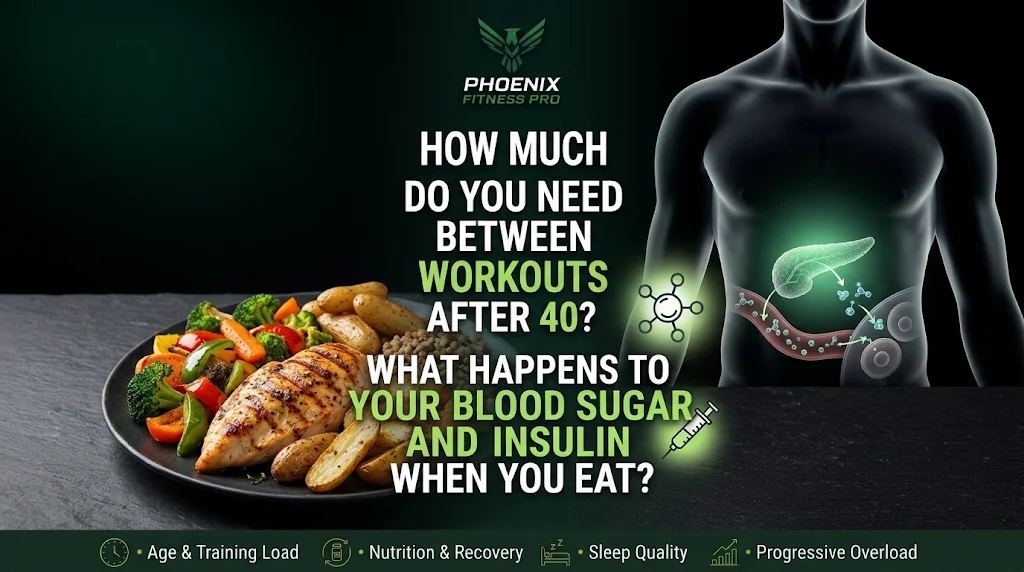
What Happens to Your Blood Sugar and Insulin When You Eat?
Every time you eat, your body begins a carefully coordinated process. Food is broken down, nutrients are absorbed, blood glucose levels change, and hormones help direct those nutrients where they are needed.
One of the most important hormones involved in this process is insulin.
You may have heard that eating carbohydrates causes blood sugar to rise or that insulin helps move sugar into your cells. But what does that actually mean? What happens between the moment you take a bite and the moment your body uses that food for energy?
Understanding this process can help you make more informed decisions about food, meal composition, physical activity, and long-term metabolic health.
Let's walk through what happens inside your body after a meal.
1. Digestion begins before glucose reaches your bloodstream
Digestion starts in your mouth.
As you chew, your teeth break food into smaller pieces. Saliva mixes with the food, and enzymes begin breaking down certain carbohydrates.
After you swallow, food travels down the esophagus into your stomach. There, stomach acid and digestive enzymes continue the process.
Your stomach gradually releases partially digested food into the small intestine. This is where most nutrient absorption takes place.
Carbohydrates are broken down into smaller sugars, including glucose. Proteins are broken down into amino acids and smaller peptides. Dietary fats are broken down into fatty acids and other components that can be absorbed.
The nutrients then pass through the intestinal wall and enter circulation through different pathways.
The important point is that eating a meal does not send all its glucose into your bloodstream at once. Digestion and absorption take time, and the speed depends on the food and the composition of the meal.
2. Blood glucose rises as glucose enters the bloodstream
Glucose is one of the body's main sources of energy.
When you eat carbohydrate-containing foods such as potatoes, fruit, rice, bread, or other starches, digestion breaks much of that carbohydrate down into glucose and other simple sugars.
Glucose is absorbed through the small intestine and enters the circulation. As more glucose enters the bloodstream, blood glucose levels generally rise.
This is a normal response to eating.
Your body needs to keep blood glucose within a relatively controlled range. Too little circulating glucose can interfere with the function of organs such as the brain. Persistently elevated blood glucose, on the other hand, can damage tissues over time.
The goal is not to prevent every rise in blood sugar. The goal is to regulate it effectively.
How high blood glucose rises, and how quickly it returns toward its usual level, depends on several factors:
- The amount of carbohydrate: Larger amounts of digestible carbohydrate can produce a larger glucose response.
- The type of carbohydrate: Different foods are digested and absorbed at different rates.
- Fiber content: Fiber can slow digestion and glucose absorption, depending on its type and the food.
- Fat and protein: These can change how quickly a meal leaves the stomach and how the body responds hormonally.
- Meal composition: Eating foods together can produce a different response than eating one food by itself.
- Physical activity: Recent movement and exercise can influence how muscles use glucose.
- Individual physiology: Sleep, stress, medications, health conditions, and insulin sensitivity can all affect the response.
Two people can eat the same meal and experience different blood glucose responses.
3. Your pancreas releases insulin
As blood glucose rises after a meal, the pancreas responds.
Specialized cells in the pancreas, called beta cells, detect changes in circulating nutrients and release insulin into the bloodstream.
Insulin is a hormone. It acts as a signal to help coordinate how the body uses and stores nutrients after eating.
A useful way to think about insulin is as a traffic controller. It helps direct nutrients toward tissues and metabolic processes that need them.
Insulin has several important jobs:
- It helps skeletal muscle and fat cells take up glucose from the bloodstream.
- It encourages the liver and muscles to store glucose as glycogen.
- It reduces the liver's release of additional glucose into the bloodstream.
- It helps reduce the breakdown of stored fat after a meal.
- It supports the body's use and storage of nutrients.
Insulin is not a harmful hormone. It is essential for normal metabolism and survival.
The problem is not that insulin rises after eating. That is part of normal physiology. Problems can develop when the body's ability to produce insulin or respond to it becomes impaired.
4. How insulin helps glucose enter your cells
Your bloodstream carries glucose throughout your body, but glucose still needs a way to enter many of your cells.
This is where glucose transporters come in.
In skeletal muscle and fat tissue, one important transporter is called GLUT4.
When insulin binds to its receptor on these cells, it activates a chain of signals inside the cell. Those signals help move GLUT4 transporters from storage locations inside the cell to the cell membrane.
Once more GLUT4 transporters are available at the cell surface, glucose can move from the bloodstream into the cell more effectively.
Think of GLUT4 as a doorway that allows glucose to enter.
Insulin helps make more of those doorways available in muscle and fat cells.
Once glucose enters a cell, it can be used for energy or directed into storage pathways.
This process is especially important in skeletal muscle because muscle tissue is a major destination for glucose after meals.
5. What happens to glucose after it enters your cells?
Glucose does not have just one destination.
Your body uses it in different ways depending on energy demands, available storage capacity, and the body's current metabolic state.
Immediate energy
Cells can break down glucose through a series of chemical reactions to produce ATP.
ATP is the usable energy currency that powers many cellular activities, including muscle contraction, nerve signaling, and tissue maintenance.
When your body needs energy, glucose can be used to help produce ATP.
Glycogen storage in muscle
Muscle cells can store glucose in the form of glycogen.
Glycogen is a stored carbohydrate that can be broken down when muscles need fuel, particularly during physical activity.
Muscle glycogen is primarily used by the muscle in which it is stored. It is not a general glucose reserve that can be released directly into the bloodstream in the same way liver glycogen can.
Glycogen storage in the liver
The liver also takes up glucose and can store it as glycogen.
Liver glycogen plays an important role in helping maintain blood glucose between meals and overnight.
When blood glucose begins to fall, the liver can break down glycogen and release glucose into circulation.
The liver also has the ability to make new glucose through a process called gluconeogenesis.
Storage of excess energy
When energy intake consistently exceeds energy needs, the body can store additional energy.
Insulin supports several storage processes, including the formation of glycogen and the storage of dietary energy as fat.
It is important to understand that eating carbohydrates does not automatically mean they are immediately converted into body fat. The body's response depends on total energy balance, nutrient availability, activity, and metabolic conditions.
6. Does protein raise insulin too?
Yes. Insulin is not released only in response to carbohydrates.
Protein is broken down into amino acids during digestion. Certain amino acids can stimulate insulin release from the pancreas.
This is one reason a meal containing protein can produce an insulin response even when it contains relatively little carbohydrate.
Protein also stimulates other hormones involved in digestion and metabolism. The overall response depends on the type and amount of protein, the other foods in the meal, and the individual's physiology.
This is not a reason to avoid protein.
Insulin helps coordinate nutrient use, and protein provides amino acids needed for muscle repair, maintenance, enzymes, hormones, and other essential functions.
For people working to build or maintain muscle, adequate protein intake and resistance training remain important parts of the bigger picture.
7. Does dietary fat raise blood sugar?
Dietary fat generally has a much smaller immediate effect on blood glucose than digestible carbohydrate.
However, fat still affects digestion and metabolism.
A meal containing fat may empty from the stomach more slowly, which can delay the absorption of carbohydrate eaten in the same meal. Fat can also influence insulin and other hormonal responses.
This means that the blood glucose response to a mixed meal can differ from the response to a carbohydrate food eaten alone.
For example, a meal containing potatoes, eggs, and some dietary fat may produce a different pattern of digestion and blood glucose response than a meal consisting of potatoes alone.
That does not mean adding fat automatically makes a meal healthier or prevents a blood glucose rise. Portion size, food quality, total energy intake, and individual health needs still matter.
The goal should be to build balanced meals that support your nutritional needs rather than trying to manipulate one hormone in isolation.
8. What affects how high your blood sugar rises after eating?
There is no single blood glucose response that applies to every meal or every person.
Several factors influence the size and timing of the rise.
Carbohydrate quantity: The amount of digestible carbohydrate is one of the strongest influences on the post-meal glucose response.
Food structure and processing: The physical structure of a food, how finely it is processed, and how it is prepared can affect digestion and absorption.
Fiber: Fiber can slow the movement and absorption of nutrients, although the effect varies by type and food.
Protein and fat: These nutrients can change gastric emptying and the overall hormonal response to a meal.
Meal timing and previous meals: Your body's response can be influenced by what you ate earlier and how much time has passed since your last meal.
Movement and exercise: Active muscles use glucose. Physical activity can also improve insulin sensitivity.
Sleep and stress: Poor sleep and stress-related hormonal changes can affect glucose regulation.
Insulin sensitivity: When cells respond well to insulin, the body can generally manage circulating glucose more effectively. When insulin resistance develops, the body may need to produce more insulin to achieve the same effect.
This is why looking at one food or one blood glucose reading rarely tells the whole story.
9. What is insulin resistance?
Insulin resistance occurs when cells do not respond as effectively to insulin as they normally would.
Muscle, fat, and liver cells are among the tissues involved.
When insulin resistance develops, the pancreas may compensate by releasing more insulin to help maintain blood glucose levels.
For a period of time, blood glucose can remain within the normal range even while insulin levels are elevated. Over time, however, the pancreas may struggle to keep up with the body's demands. Blood glucose can then begin to rise.
Insulin resistance is associated with an increased risk of developing prediabetes and type 2 diabetes, although the relationship is complex and influenced by genetics, body composition, physical activity, sleep, medications, and other factors.
It is not something that can be diagnosed from how you feel after a meal or from one isolated glucose reading.
Blood tests such as fasting glucose and A1C are commonly used to assess blood sugar regulation. A healthcare professional can determine which tests are appropriate and explain what the results mean.
10. What happens to blood sugar after the meal is over?
After eating, glucose enters the bloodstream and insulin helps coordinate its use and storage.
As glucose is taken up by tissues, stored as glycogen, and used for energy, blood glucose generally moves back toward its usual level.
At the same time, insulin levels gradually decline as the digestive and absorptive response to the meal settles.
The liver continues to help regulate blood glucose between meals by releasing stored glucose and producing new glucose when needed.
This is a continuous process. Your body does not simply switch blood sugar regulation on after a meal and off when digestion ends.
It is constantly balancing glucose entering the bloodstream, glucose being used by tissues, and glucose being stored or released.
11. How exercise affects blood sugar
Exercise adds another important layer to glucose regulation.
When muscles contract during physical activity, they can increase their uptake of glucose through pathways that do not rely entirely on insulin.
This means working muscles have another way to bring glucose inside, in addition to the insulin-stimulated pathway.
Physical activity can also improve how responsive muscle tissue is to insulin after exercise.
The effect depends on the type, intensity, and duration of activity, along with individual health and other factors. Blood glucose does not necessarily fall during every workout; the liver can release glucose to help meet the muscles' energy demands.
We'll cover this process in more detail in a separate article: How Exercise Helps Your Muscles Absorb Glucose Without Relying Entirely on Insulin.
12. Practical ways to support healthy blood sugar regulation
You do not need to fear every rise in blood glucose after a meal. A rise is a normal part of eating.
Instead, focus on habits that support your overall metabolic health.
- Build meals around nutrient-dense foods. Include appropriate sources of protein, carbohydrates, fats, vitamins, and minerals.
- Choose fiber-rich foods when they fit your needs. Vegetables, fruit, beans, and minimally processed whole grains can contribute fiber.
- Eat adequate protein. Protein supports muscle maintenance, recovery, and many essential functions.
- Move consistently. Walking, resistance training, and other forms of physical activity help your muscles use glucose.
- Prioritize sleep. Consistent, adequate sleep supports normal metabolic and hormonal regulation.
- Avoid relying on one food rule. No single ingredient or meal determines your long-term metabolic health.
- Pay attention to your overall pattern. Consistency across meals, activity, recovery, and sleep matters more than chasing a perfect reading after every meal.
If you have diabetes, prediabetes, take glucose-lowering medication, or have concerns about your blood sugar, work with a qualified healthcare professional before making major dietary or exercise changes.
Frequently asked questions
Does blood sugar always rise after eating?
Blood glucose usually rises to some degree after a meal, especially when the meal contains digestible carbohydrates. The size and timing of the rise depend on the meal, digestion, activity, and individual metabolism.
How long does it take for blood sugar to rise after eating?
Blood glucose can begin rising as nutrients are absorbed. The timing of the peak varies based on meal composition, portion size, gastric emptying, and individual physiology. There is no single peak time that applies to everyone.
Does insulin turn sugar into fat?
No. Insulin does not automatically turn every carbohydrate you eat into body fat. Insulin helps regulate nutrient use and storage. When energy intake consistently exceeds energy expenditure, the body can store excess energy as fat. Insulin is one part of that broader process.
Does protein cause an insulin spike?
Protein can stimulate insulin release, even without a large carbohydrate intake. This is a normal part of the body's response to amino acids and nutrient intake.
Is insulin bad for you?
No. Insulin is essential for life. It helps regulate blood glucose and coordinate the use and storage of nutrients. The concern is impaired insulin production or reduced responsiveness to insulin, not the normal release of insulin after eating.
Can walking after a meal help blood sugar?
Light physical activity after eating can help muscles use glucose. The effect varies between individuals and depends on the timing and intensity of activity. People using insulin or glucose-lowering medication should follow their healthcare professional's guidance because activity can affect blood glucose and medication needs.
Can you have insulin resistance with normal blood sugar?
Yes. The pancreas may produce additional insulin to compensate for reduced insulin sensitivity. Blood glucose can remain in the normal range for a time before abnormalities become apparent on testing.
What tests measure blood sugar regulation?
Common tests include fasting blood glucose and hemoglobin A1C. In some situations, a healthcare professional may recommend an oral glucose tolerance test or other testing. The right test depends on the person's health history and clinical circumstances.
Conclusion: Your body is designed to regulate blood sugar
Every meal sets a series of processes in motion.
Digestion breaks food into absorbable nutrients. Glucose enters the bloodstream. The pancreas releases insulin. Tissues take up glucose, use it for energy, or store it for later. The liver helps keep blood glucose stable between meals.
This is normal human physiology.
You do not need to eliminate every carbohydrate or try to prevent every post-meal rise in blood sugar. What matters is supporting the systems that regulate glucose over time through consistent nutrition, regular movement, resistance training, adequate sleep, and appropriate medical care.
Understanding how your body works gives you a better foundation for making decisions about your health.
Build strength. Improve your habits. Understand your body.
Explore more nutrition, training, and recovery resources at Phoenix Fitness Pro.
Phoenix Fitness Pro provides general health, fitness, and nutrition education. It is not a substitute for individualized medical advice, diagnosis, or treatment. Always consult a qualified healthcare professional about personal medical concerns or changes to your care plan.
Editorial & Scientific Integrity Disclaimer: This article is for informational and educational purposes only and does not constitute medical advice. Always consult a qualified healthcare professional before starting any supplement regimen or dietary change. All physiological and nutritional claims are referenced against primary clinical research (PubMed/NIH) throughout the text. Some links on this page may be affiliate links.
Written by Phoenix Wellness Team
The Phoenix Fitness Pro team researches every article against current evidence and real member experience so you get practical guidance, not hype.
Learn more about Phoenix Fitness Pro