
The Avocado Oil Scam: What the UC Davis Study Reveals About Your "Healthy" Chips
Written by John Solomou | Founder, Phoenix Wellness Team
Researched & Fact-CheckedPeer-Reviewed Clinical Literature (PubMed / NIH / ISSN)
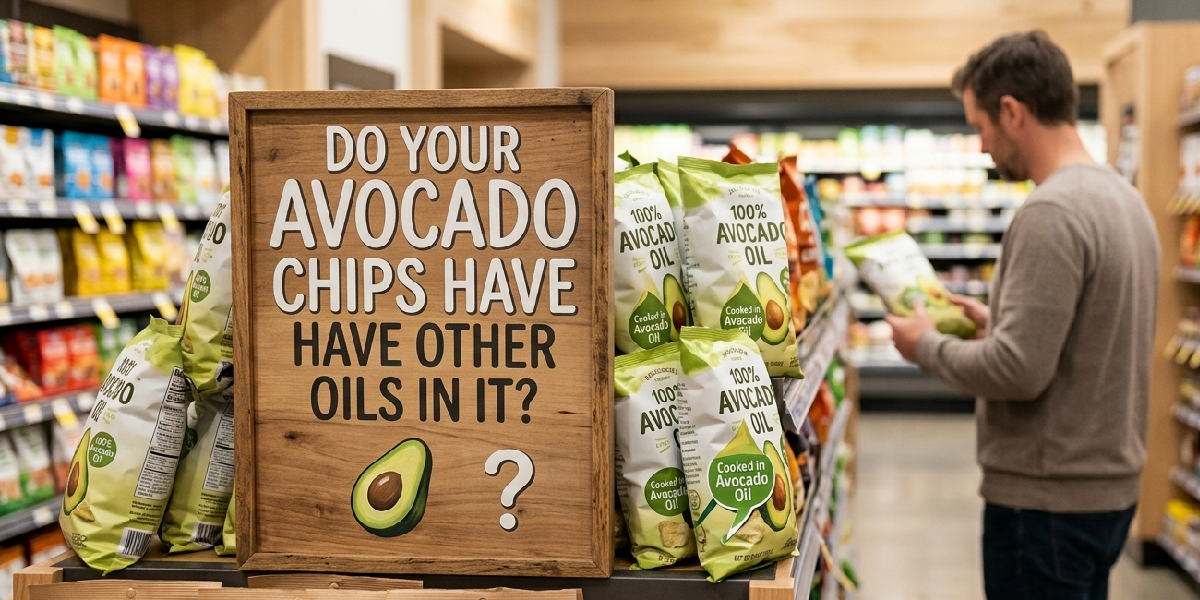
The Avocado Oil Scam: What the UC Davis Study Reveals About Your "Healthy" Chips When you reach for a bag of chips explicitly labeled "Cooked in 100% Avocado Oil," you reasonably assume you are making a clean, heart-healthy decision for your metabolic health.
Unfortunately, food industry marketing does not always match biological reality.
Landmark research conducted by food scientists at the University of California, Davis revealed a shocking reality about commercial avocado oil: over 80% of tested samples were either severely oxidized (rancid) or adulterated with cheap, highly refined seed oils.
You can read the full article directly on UC Davis News: That Avocado Oil Chip You're Eating May Not Be Made With Pure Avocado Oil.
If you are buying avocado oil chips to avoid inflammatory seed oils, here is what the research uncovered, why rancid oils harm your health, and how to protect yourself.
What the UC Davis Study Uncovered
The groundbreaking study led by researchers Dr. Selina Wang at the UC Davis Department of Food Science and Technology analyzed commercial avocado oils and processed snacks purchased across major retail stores.
The research evaluated both quality (purity and degree of oxidation) and authenticity (whether the oil was actually 100% avocado oil or diluted with cheaper alternatives).
Key Findings of the Research:
82% Failed Quality or Purity Tests: The vast majority of avocado oils on store shelves either contained undisclosed secondary oils or were oxidized past safety and quality standards before their stated expiration dates.
Widespread Adulteration: Multiple samples labeled as "pure avocado oil" were almost entirely composed of cheap, high-omega-6 seed oils like soybean oil, safflower oil, and canola oil.
Processed Snack Discrepancies: When testing processed snacks—like chips labeled as made with avocado oil—researchers found that up to 93% of chips exhibited compositional profiles inconsistent with authentic avocado oil.
Extreme Rancidity: Many samples showed high levels of oxidation. Heat, light, and poor processing turn unstable fats rancid long before they reach consumer bags or deep fryers.
When snack manufacturers use these bulk commercial oils to produce "avocado oil potato chips," consumers are often paying a premium for the exact inflammatory seed oils they were trying to avoid.
The Danger of Rancid and Adulterated Oils
Why should you care if your chips are cooked in oxidized oil or blended with cheap seed oils? Because the health consequences go far beyond misleading advertising.
1. Lipid Peroxidation & Cellular Stress When unsaturated fats are exposed to excessive heat, light, and oxygen during cheap processing, they undergo lipid peroxidation. Consuming rancid, oxidized oils introduces free radicals and lipid peroxides into your digestive tract, promoting systemic inflammation, damaging arterial walls, and burdening your liver's detoxification pathways.
2. The Omega-6 Overload Avocado oil is prized because it is rich in heart-healthy, heat-stable monounsaturated fats (oleic acid) and low in polyunsaturated fatty acids (PUFAs). However, when manufacturers stretch avocado oil with soybean or corn oil, it drives up your intake of excess omega-6 fatty acids—disrupting your body's optimal omega-6 to omega-3 inflammatory balance.
3. Gut Microbiome Disruption Thermally degraded and oxidized oils irritate the delicate endothelial lining of your gut. Regular consumption of rancid oils can impair gut barrier function, leading to bloating, digestive discomfort, and low-grade metabolic inflammation.
How to Spot Fake or Rancid Avocado Oil Products
To ensure the avocado oil products you buy are actually delivering clean fats, apply these evaluation rules:
Read the Full Ingredient List: Do not rely on front-of-bag marketing claims like "Made with Avocado Oil." Check the back ingredients list to ensure no secondary oils (soy, sunflower, canola, safflower) are listed.
Beware of "Blends": Phrases like "Avocado Oil Blend" or "Cooked in an Avocado Oil Blend" are code for diluting a tiny fraction of avocado oil into cheap seed oils.
Look for Single-Origin, Cold-Pressed Certifications: For standalone cooking oils, choose brands that list "100% Unrefined, Cold-Pressed" and use dark glass bottles to protect the oil from light oxidation.
🥑 Verified Pure Avocado Oil Picks
To avoid rancid or adulterated oils, stick to brands independently verified for 100% purity: For Daily Cooking & High-Heat Searing: Chosen Foods 100% Pure Avocado Oil (16.9 oz Bottle or Cooking Spray) As an Amazon Associate, Phoenix Fitness Pro earns from qualifying purchases.*
Check for Independent Testing Seals: Look for brands that participate in third-party testing (such as the Non-GMO Project, clean label certifications, or explicit batch testing for purity).
The Phoenix Tracker Pro Perspective At Phoenix Tracker Pro, we believe true health optimization requires looking past clever packaging and focusing on ingredient quality.
Eliminating hidden ultra-processed fats and oxidized seed oils is one of the highest-yield changes you can make to lower systemic inflammation, support gut integrity, and maintain stable daily energy.
Audit Your Pantry: Swap out hidden seed oils and unreliable "healthy" snacks for whole-food alternatives.
Track How Food Makes You Feel: Use your Phoenix Tracker Pro meal logging features to monitor digestion, energy stability, and inflammatory responses after eating processed snacks.
Focus on Whole Fats: Get your healthy monounsaturated fats straight from whole avocados, extra virgin olive oil, raw nuts, and grass-fed sources.
Scientific References
- Dietary advanced lipid oxidation endproducts are risk factors to human health. Molecular nutrition & food research, 2007.
- Wang SC, et al. First-Reported Quality and Adulteration of Avocado Oil Products. Food Control (UC Davis), 2020.
Editorial & Scientific Integrity Disclaimer: This article is for informational and educational purposes only and does not constitute medical advice. Always consult a qualified healthcare professional before starting any supplement regimen or dietary change. All physiological and nutritional claims are referenced against primary clinical research (PubMed/NIH) throughout the text. Some links on this page may be affiliate links.
Written by Phoenix Wellness Team
The Phoenix Fitness Pro team researches every article against current evidence and real member experience so you get practical guidance, not hype.
Learn more about Phoenix Fitness Pro