
How to Eat Healthy on Thanksgiving Without Giving Up Your Favorite Foods
Written by John Solomou | Founder, Phoenix Wellness Team
Researched & Fact-CheckedPeer-Reviewed Clinical Literature (PubMed / NIH / ISSN)
How to Eat Healthy on Thanksgiving Without Giving Up Your Favorite Foods
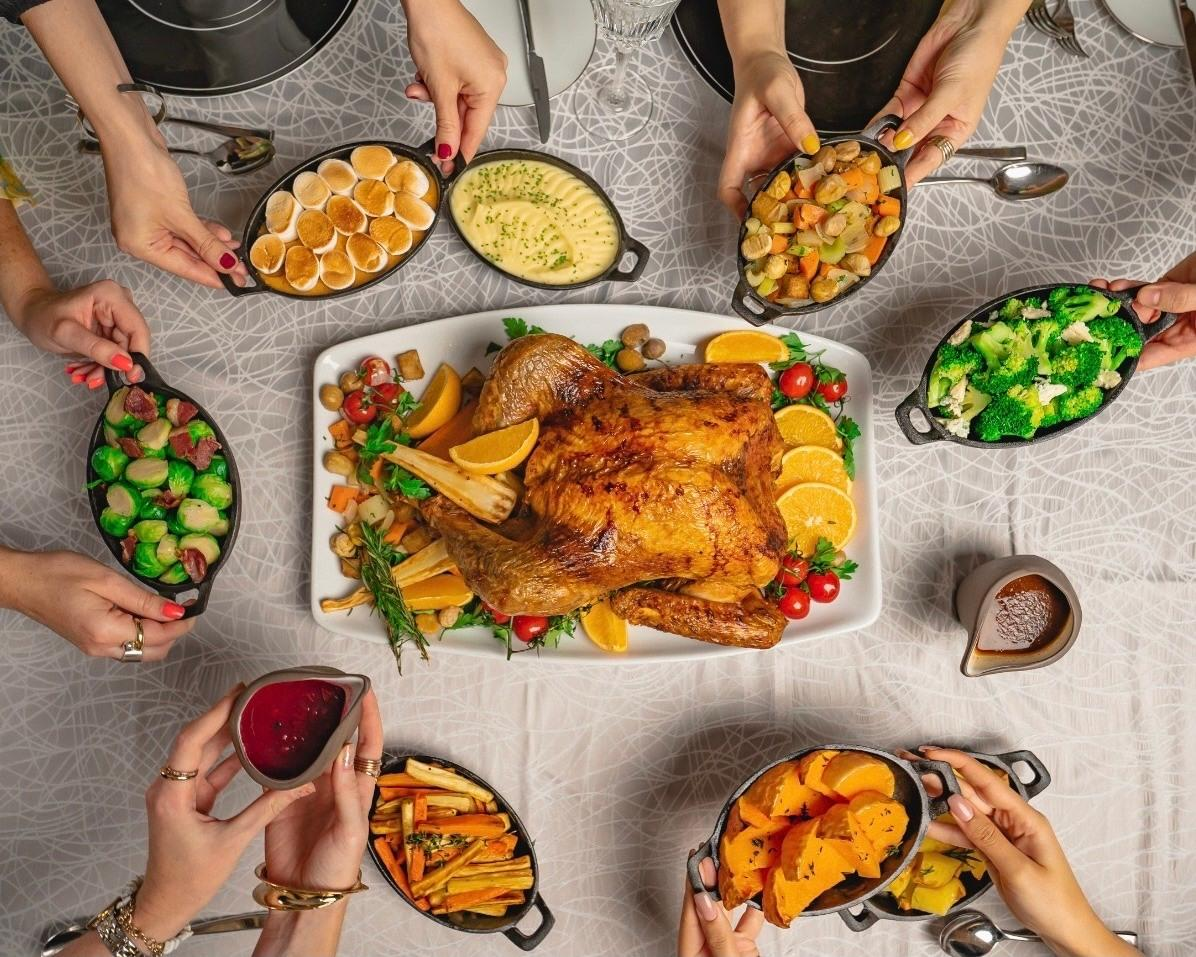
Thanksgiving is a time to enjoy good food, spend time with family, and take a break from your normal routine. You shouldn't have to give up turkey, stuffing, mashed potatoes, or pumpkin pie to support your health.
The goal isn't to eat perfectly. It's to enjoy the foods you love while making choices that help you feel good before, during, and after the holiday.
You don't need a strict diet, a smaller plate than everyone else, or an extra hour of exercise to make Thanksgiving healthier. A few practical habits can help you enjoy the meal without feeling like you've abandoned your fitness goals.
1. Don't Skip Breakfast to Save Calories
Skipping breakfast to make room for Thanksgiving dinner might seem like a good strategy. But arriving at the table extremely hungry can make it harder to pay attention to your appetite.
Start your day with a balanced meal that includes protein and other satisfying foods. Eggs, Greek yogurt, cottage cheese, or another protein source can help you build a breakfast that fits your routine.
You don't need a large breakfast if you're not hungry. Just avoid turning the entire day into a countdown to dinner.
2. Build a Balanced Thanksgiving Plate
You can enjoy traditional holiday dishes and still build a balanced meal.
Start with foods you genuinely want to eat. Then consider how to round out your plate with a few different food groups.
For example:
- Protein: Turkey, chicken, or another protein-rich main dish.
- Vegetables: Green beans, Brussels sprouts, carrots, or roasted vegetables.
- Carbohydrates: Potatoes, sweet potatoes, stuffing, rolls, or corn.
- Fats and flavor: Gravy, butter, sauces, and other toppings you enjoy.
You don't need to follow a rigid formula. The goal is to include a mix of foods that satisfy you, rather than filling your plate with items you don't particularly enjoy just because they seem healthier.
3. Choose Your Favorite Foods Instead of Sampling Everything
Holiday meals often offer more choices than a normal dinner. It's easy to take a little of everything and end up eating more than you intended.
Before filling your plate, look over the options. Decide which dishes matter most to you.
If your favorite part of Thanksgiving is your family's stuffing recipe, enjoy it. If you look forward to pumpkin pie all year, make room for a slice.
You don't need to eat every dish simply because it's available. Choosing foods you truly enjoy can make the meal more satisfying.
4. Eat Slowly and Pay Attention to Fullness
Thanksgiving dinner often comes with distractions, conversation, and second helpings. You might finish your meal before noticing how full you feel.
Try slowing down enough to enjoy the meal. Put your fork down occasionally, talk with family, and give yourself time to notice how your body feels.
When you're finished, pause before deciding whether you want more. If you're still hungry, another serving is fine.
This isn't about policing every bite. It's about giving yourself the chance to recognize when you've had enough.
5. Don't Fear Carbohydrates
Potatoes, sweet potatoes, stuffing, rolls, and other carbohydrate-rich foods are common Thanksgiving favorites. You don't have to eliminate them to eat well.
Carbohydrates provide energy, and many carbohydrate-containing foods also supply fiber and important nutrients. The nutritional value depends on the food, ingredients, and preparation.
Enjoy the foods you like and consider pairing them with protein and vegetables for a more balanced meal.
If you manage a condition such as diabetes or have specific carbohydrate targets from your healthcare professional, follow the individualized guidance you've been given.
6. Be Mindful of Drinks, Gravy, and Extras
Small additions can make a meal more satisfying, but they can also contribute more energy than you realize when you use them without paying attention.
You don't need to avoid gravy, butter, sauces, or dessert. Instead, serve the amount you want and enjoy it.
For drinks, consider having water alongside your other choices. Sweetened beverages can add substantial sugar, while alcohol can affect sleep, judgment, and recovery.
The aim is awareness, not restriction. A holiday meal can include rich foods without turning into an all-day eating competition.
7. Take a Short Walk After Dinner
A short walk after Thanksgiving dinner is a simple way to add movement to your day.
Invite family members to join you for a 10- to 15-minute walk around the neighborhood, weather permitting. You can also walk indoors or choose another comfortable activity.
Walking after a meal may help moderate the rise in blood glucose that occurs after eating. The response varies from person to person, and a short walk isn't a substitute for medical care or prescribed diabetes treatment.
You don't have to turn Thanksgiving into a workout. A little movement is enough to make the day more active.
8. Keep Your Normal Routine Before and After Thanksgiving
One holiday meal doesn't erase your progress. Problems often start when people treat Thanksgiving as a reason to abandon their habits for several days, then feel they need to compensate afterward.
Keep your normal routines as much as practical:
- Eat regular meals instead of starving yourself before or after the holiday.
- Get enough sleep.
- Stay hydrated.
- Keep up with your usual movement and exercise when possible.
- Return to your regular eating pattern at the next meal.
You don't need to burn off Thanksgiving dinner, skip meals the next day, or punish yourself with an intense workout.
Consistency over time matters more than making one day perfect.
9. Store Leftovers Safely
Thanksgiving leftovers can make convenient meals for the next few days, but food safety matters.
According to the USDA, refrigerate perishable leftovers within two hours of cooking or serving. Divide large portions into shallow containers so they cool more quickly.
Use refrigerated leftovers within three to four days, or freeze them for longer storage. When reheating leftovers, heat them to an internal temperature of 165°F.
If you aren't sure whether food has been stored safely, don't taste it to check. Discard it when in doubt.
10. Turn Leftovers Into Balanced Meals
Leftovers can help you maintain your routine without spending hours cooking.
Try combinations such as:
- Turkey with roasted vegetables and sweet potatoes.
- Turkey and vegetable soup.
- A turkey sandwich with whole-grain bread and a side of vegetables.
- Eggs with leftover roasted potatoes and vegetables.
- A bowl with leftover protein, vegetables, and your favorite grain or starch.
Think about what would make the meal satisfying, not how to make it as small as possible. Protein, carbohydrates, vegetables, and fats can all fit into a balanced eating pattern.
For more everyday meal ideas, visit the Phoenix Fitness Pro recipe library.
Need More Healthy Meal Ideas for the Holidays?
You don't have to give up your favorite foods to make healthier choices during Thanksgiving and Christmas. Having a few practical recipes ready can make it easier to plan meals, use leftovers, and stay consistent when your schedule gets busy.
Explore the Phoenix Fitness Pro recipe library for meal ideas, including a Greek Yogurt Berry Protein Bowl, Turkey and Black Bean Chili, Sheet Pan Shrimp with Broccoli and Chickpeas, Sardine and White Bean Toast, and Chicken and Vegetable Coconut Curry.
These recipes offer options for different meals and preparation times, from a quick breakfast to a one-pan dinner. You can use them to plan meals before the holiday or get back into your normal routine afterward.
Frequently Asked Questions
Can I eat Thanksgiving dinner and still maintain my fitness goals?
Yes. One meal doesn't determine your long-term results. Your overall eating pattern, activity, sleep, and consistency over time matter more than one holiday dinner.
Should I skip meals before Thanksgiving dinner?
For most people, there's no need to skip meals to save calories. Eating regular meals can help you arrive at dinner comfortably hungry rather than ravenous.
Is it okay to eat dessert on Thanksgiving?
Yes. You can enjoy dessert as part of your holiday meal. Choose what you actually want and enjoy it without guilt.
Should I exercise more to burn off Thanksgiving dinner?
You don't need to earn your food or compensate for eating. Continue your usual exercise routine and enjoy movement that feels good, such as a family walk.
How long are Thanksgiving leftovers safe in the refrigerator?
Most cooked leftovers should be used within three to four days when refrigerated promptly and stored properly. Freeze food you plan to keep longer, and reheat leftovers to 165°F.
The Bottom Line
You can enjoy Thanksgiving without choosing between your favorite foods and your health goals.
Eat regular meals, build a satisfying plate, enjoy the dishes you look forward to, take a walk if you can, and return to your normal routine afterward.
You don't need perfection. You need habits you can maintain through holidays, busy workweeks, and ordinary life.
Want to see where your fitness habits stand?
Take the Phoenix Fitness Pro Scorecard to assess your consistency with strength, daily movement, protein, and sleep. It takes about two minutes and can help you identify an area to focus on next.
Disclaimer: This article provides general educational information and is not individualized medical or nutrition advice. If you have a medical condition or specific dietary requirements, consult a qualified healthcare professional.
Sources
Editorial & Scientific Integrity Disclaimer: This article is for informational and educational purposes only and does not constitute medical advice. Always consult a qualified healthcare professional before starting any supplement regimen or dietary change. All physiological and nutritional claims are referenced against primary clinical research (PubMed/NIH) throughout the text. Some links on this page may be affiliate links.
Written by Phoenix Wellness Team
The Phoenix Fitness Pro team researches every article against current evidence and real member experience so you get practical guidance, not hype.
Learn more about Phoenix Fitness Pro