
How Many Steps to Lose a Pound?
Written by John Solomou | Founder, Phoenix Wellness Team
Researched & Fact-CheckedPeer-Reviewed Clinical Literature (PubMed / NIH / ISSN)

# The Step-by-Step Guide to Body Composition: How Many Steps to Lose a Pound of Fat
If you are looking for a sustainable, high-leverage way to optimize your fat loss without burning out your central nervous system or spiking your stress hormones, the answer isn't more high-intensity cardio. It's walking.
But exactly how much movement does it take to shift the needle on the scale? Let's break down the data, the physiology, and the practical blueprint to make walking your ultimate body composition weapon.
The Basic Math
To understand fat loss, we have to look at the energy balance system. One pound of stored body fat contains roughly 3,500 calories of potential energy.
When it comes to burning that energy through movement, biological efficiency varies based on your metrics. On average, a person burns about 80–100 calories per 2,000 steps (which is roughly equivalent to walking one mile), depending heavily on their current body weight and baseline pace.
How Many Calories Does 10,000 Steps Burn?
This is the question behind the question — 10,000 steps is roughly 4.5 to 5 miles for most adults, and the calories it burns depend mostly on body weight. Here is a quick reference for a moderate ~3.5 mph pace on level ground:
| Body weight | Per mile (~2,000 steps) | Per 10,000 steps |
|---|---|---|
| 130 lb | ~65 calories | ~325 calories |
| 155 lb | ~80 calories | ~390 calories |
| 185 lb | ~95 calories | ~465 calories |
| 215 lb | ~110 calories | ~540 calories |
Hills, faster paces, and individual efficiency push these numbers up or down by 10–20%. If you want an estimate based on your own weight, pace, and walk time, use the Phoenix Walking Calculator — it does this math for you.
Steps Per Pound: The Reality Check
Let's look at a concrete example to ground this math in reality.
For a 170-pound adult walking at a moderate pace, it takes roughly 70,000 to 80,000 steps to burn one single pound of fat—assuming your baseline caloric intake and diet stay exactly the same.
While that total number might sound massive at first glance, the magic of walking isn't in doing it all at once; it's the compounding effect of hitting a consistent daily volume over the course of a week or a month.
How Many Steps a Day to Lose 10, 20, or 30 Pounds?
Using the same math (about 75,000 steps per pound for a 170 lb adult, diet unchanged), here is what bigger goals look like on a calendar:
| Fat-loss goal | Total steps needed | At 8,000 steps/day | At 10,000 steps/day |
|---|---|---|---|
| 5 lb | ~375,000 | ~7 weeks | ~5–6 weeks |
| 10 lb | ~750,000 | ~13 weeks | ~11 weeks |
| 20 lb | ~1,500,000 | ~27 weeks | ~21 weeks |
| 30 lb | ~2,250,000 | ~40 weeks | ~32 weeks |
Two honest caveats. First, these timelines assume your eating stays exactly the same — pair the steps with a modest calorie deficit and you can cut them nearly in half. Second, as you lose weight, each step burns slightly fewer calories, so real-world progress slows a little near the end. The fix is simple: keep the step target, adjust the food.
Why Walking Works So Well
👟 Recommended Gear for Daily Step Targets Meeting your daily step goals doesn't require pristine weather or outdoor trails. Here are top-rated tools to stay consistent from home:
Under-Desk Walking Pad: A compact, low-profile treadmill like the Under-Desk Walking Pad slides under standing desks or sofas for easy indoor mileage during work calls. Cushioned Walking Shoes: High-mileage neutral cushioning shoes like the Brooks Ghost Running/Walking Shoes or Hoka Clifton protect joints during high step counts. As an Amazon Associate, Phoenix Fitness Pro earns from qualifying purchases.
Many people overlook walking because it doesn't feel grueling, but that is precisely why it is an elite fat-loss strategy.
It Doesn't Spike Hunger Cues
Intense, high-heart-rate cardio sessions often trigger a strong compensatory survival mechanism in the brain, sending ghrelin (your hunger hormone) through the roof. This frequently leads to overeating post-workout, completely erasing the caloric deficit you just worked for. Walking keeps your heart rate in a low-intensity zone, allowing you to burn energy without triggering intense cravings.
It Prioritizes Recovery
Unlike heavy lifting or sprinting, walking is completely low-impact and highly sustainable for your joints. Instead of adding to your total systemic stress load, it acts as active recovery. Furthermore, consistent daily walking is clinically shown to dramatically improve mood, optimize deep sleep architecture, and enhance insulin sensitivity for better blood sugar control.
Why Food Quality and "Clean Eating" Accelerate the Process
While a calorie deficit is mathematically required to burn fat, you cannot treat your body like a simple calculator. The quality of your food and the integrity of your ingredients fundamentally dictate how fast and how smoothly that fat loss happens.
The Illusion of the 100-Calorie Cookie
You cannot simply build a deficit by eating processed foods, hyper-palatable snacks, or engineered 100-calorie cookie packs. Technically, 1,500 calories of ultra-processed junk matches 1,500 calories of whole foods on paper—but metabolically, they act entirely differently.
Processed foods spike your blood sugar rapidly, leading to a subsequent insulin crash. This crash triggers intense cellular hunger, brain fog, and severe cravings within hours of eating, making your caloric target almost impossible to maintain over the long run without immense suffering.
Whole Ingredients Keep You Full and Burning
Clean eating—focusing on single-ingredient, nutrient-dense whole foods like lean proteins, vegetables, fruit, and complex carbohydrates—changes your internal physiology.
Higher Satiety: Whole foods contain natural fiber and structure that take longer to break down, keeping your physical fullness and satiety signaling intact.
The Thermic Effect of Food (TEF): Your body actually has to work significantly harder to digest whole foods compared to highly processed ones. For example, your body burns up to 20-30% of the calories from a high-quality protein source just during the digestion process itself.
By upgrading the quality of your food, you naturally reduce systemic inflammation, optimize your thyroid and metabolic output, and silence the constant cravings that usually sabotage a fat-loss phase.
A Realistic Daily Target
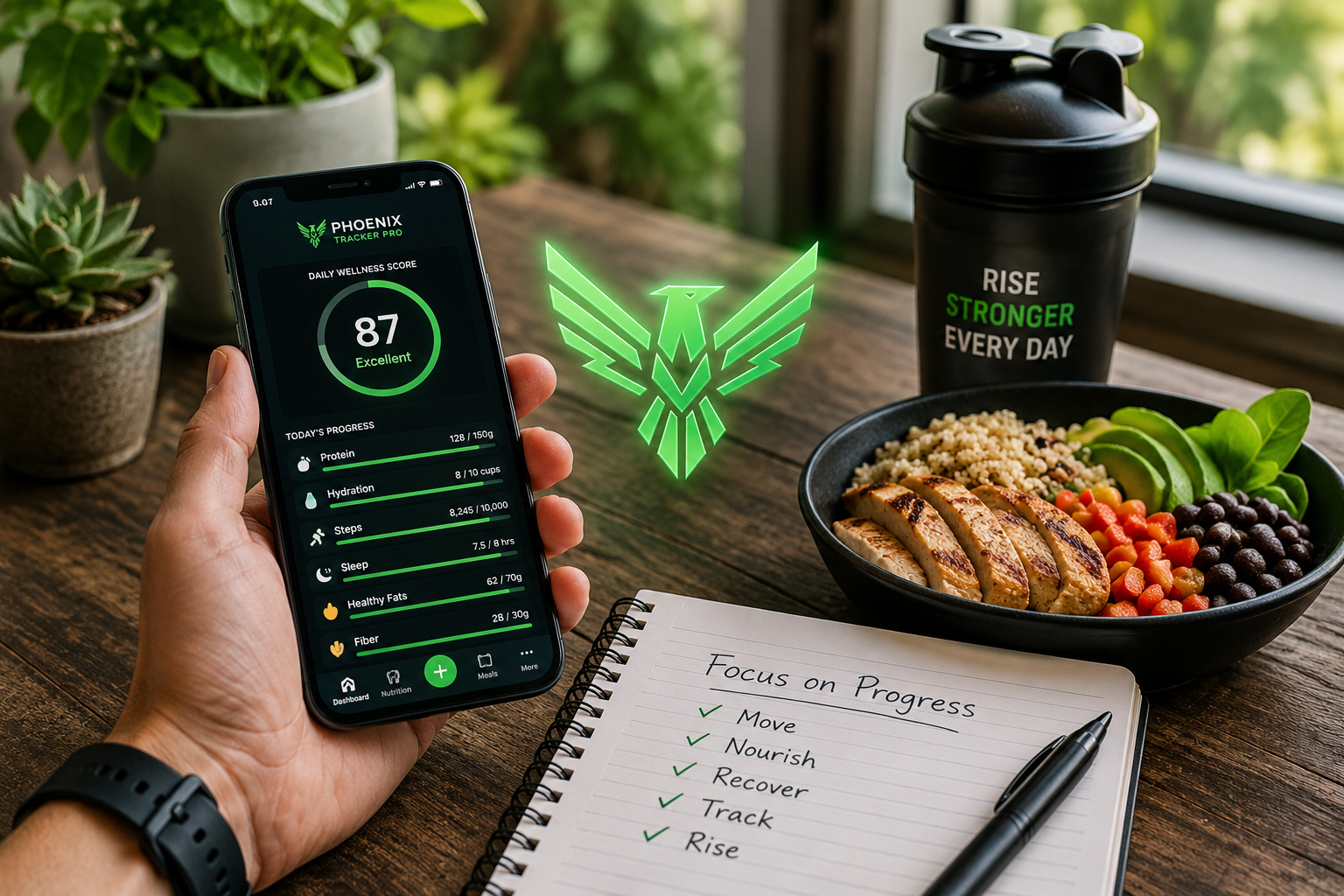
You don't need to cross the 80,000-step finish line in a day. Instead, find where you currently sit on the activity spectrum and automate your progression to the next tier:
Beginner Baseline
Target: 6,000–7,000 steps per day
Focus: Breaking up sedentary patterns and building the foundational habit of daily movement.
Active Baseline
Target: 8,000–10,000 steps per day
Focus: Maintaining excellent cardiovascular health, metabolic health, and weight maintenance.
Fat-Loss Focused Tier
Target: 10,000–12,000 steps per day
Focus: Actively driving an aggressive, compounding daily energy deficit to accelerate body composition changes.
Pair Steps with Nutrition for Maximum Leverage
While walking alone can create a small, healthy energy deficit, relying solely on movement to out-walk a poor diet is an uphill battle.
For faster, more reliable, and highly predictable fat loss, you should always pair your daily step targets with a modest, controlled calorie deficit driven by clean, high-quality nutrition. This ensures that the weight you lose is pure fat, not hard-earned muscle.
Want to see exactly how your daily movement translates to energy expenditure? Use the Phoenix Walking Calculator to input your specific body metrics and see exactly how many calories your daily walks are burning.
Make It Automatic: Lifestyle Integrations
The secret to hitting 10,000+ steps consistently isn't finding a massive two-hour block of free time. It's about engineering small, friction-free movement anchors into your existing daily routine:
The Post-Meal Anchor: Commit to a non-negotiable 10-to-15-minute walk immediately after lunch or dinner. This significantly blunts the post-meal blood sugar spike and easily knocks out 3,000 steps.
The Mobile Office: Take all audio-only business calls, team check-ins, or podcast consumption while pacing or walking outside.
Strategic Parking: Park at the back of the lot every time you visit the grocery store or office.
The Digital Cue: Set a subtle, recurring step reminder on your phone or smartwatch to nudge you to stand up and move for 2 minutes every hour.
Scientific References
- Association of Step Volume and Intensity With All-Cause Mortality in Older Women. JAMA internal medicine, 2019.
- How many steps/day are enough? For older adults and special populations. International journal of behavioral nutrition and physical activity, 2011.
Editorial & Scientific Integrity Disclaimer: This article is for informational and educational purposes only and does not constitute medical advice. Always consult a qualified healthcare professional before starting any supplement regimen or dietary change. All physiological and nutritional claims are referenced against primary clinical research (PubMed/NIH) throughout the text. Some links on this page may be affiliate links.
Written by Phoenix Wellness Team
The Phoenix Fitness Pro team researches every article against current evidence and real member experience so you get practical guidance, not hype.
Learn more about Phoenix Fitness Pro